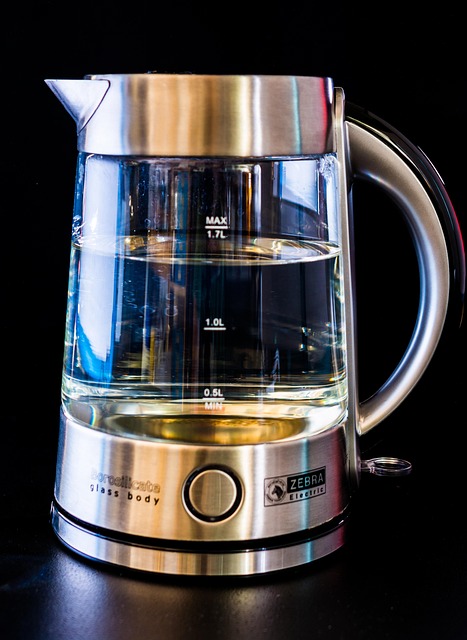
Energy Efficient Water Heaters: Save Cost, Protect Environment Albany
Energy efficient water heaters Albany are a powerful tool to reduce carbon emissions and lower energy bills. With options like solar, tankless, and he.......
Read more →
In the pursuit of sustainable energy practices, the world is witnessing a significant shift towards energy-efficient water heating solutions. Among these, Albany's approach stands out as a model for urban centers seeking to reduce their environmental footprint. This article delves into the concept, implementation, and impact of 'Energy Efficient Water Heaters Albany', providing an insightful exploration of how such systems are reshaping our relationship with energy consumption. By examining various facets, from technology and policy to real-world applications, we aim to equip readers with a comprehensive understanding of this innovative solution.
'Energy Efficient Water Heaters Albany' refers to a suite of water heating technologies designed to minimize energy usage while maintaining optimal water temperature for residential, commercial, and industrial purposes. These heaters leverage advanced engineering and smart controls to deliver hot water with reduced environmental impact. Core components include:
The concept of energy-efficient water heating has evolved over decades, driven by increasing environmental concerns and rising energy costs. Early efforts focused on basic insulation and energy-saving appliances. However, the modern Albany approach represents a significant leap forward, combining cutting-edge technology with sustainable practices. This shift gained momentum in the late 20th century as governments worldwide implemented regulations to promote energy efficiency.
The Albany model specifically emerged as a response to the unique challenges of urban heating demands. By leveraging local resources and smart infrastructure, it offers a tailored solution for cities like Albany, addressing both environmental sustainability and economic viability.
The global adoption of energy-efficient water heaters has been remarkable, with various countries embracing the technology to reduce greenhouse gas emissions and combat climate change. According to a 2022 report by the International Energy Agency (IEA), the global market for efficient water heating systems is projected to grow at a CAGR of 6.5% from 2023 to 2030, reaching a value of $47.8 billion.
Cities worldwide are leading the charge, with many implementing mandatory energy-efficient standards for new constructions and retrofitting existing buildings. For instance, cities like Berlin, Germany, have achieved significant reductions in district heating demand through comprehensive water heating upgrades.
North America, Europe, and Asia Pacific are the primary markets driving this trend, each with unique dynamics:
The energy-efficient water heater market is characterized by intense competition, with numerous players offering diverse technologies. Key growth drivers include:
Initial investment in energy-efficient water heaters can be higher than conventional systems. However, long-term savings on energy bills provide attractive returns on investment (ROI). A study by the U.S. Department of Energy found that efficient water heating systems can save homeowners up to 25% on their annual energy bills.
Many utilities offer financing options and incentive programs to offset the upfront cost, making these systems more accessible. Additionally, businesses can benefit from reduced operational expenses and improved environmental credentials.
Recent technological advancements have revolutionized energy-efficient water heating:
The future of energy-efficient water heaters looks promising, with ongoing research focusing on:
The development of energy-efficient water heaters is guided by various national and international bodies:
Stringent regulations have been instrumental in driving innovation and market growth:
Despite its numerous benefits, the implementation of energy-efficient water heaters Albany faces several challenges:
To address these issues:
A large apartment complex in downtown Manhattan successfully transitioned to energy-efficient water heaters, achieving a 30% reduction in overall energy consumption. The project involved replacing outdated systems with modern heat pump technology and smart controls. Residents benefited from consistent hot water temperatures and lower energy bills, while the building owner realized significant long-term savings.
Key Takeaways:
A prominent office tower in Toronto implemented a hybrid solar-electric water heating system as part of a broader sustainability initiative. The project reduced the building's carbon footprint by 25% and lowered utility expenses by 18%. The system's flexibility allowed for efficient water heating during peak demand periods, contributing to the city's overall energy grid stability.
Insights:
The future of energy-efficient water heaters Albany is poised for substantial growth and innovation:
To capitalize on these trends:
'Energy Efficient Water Heaters Albany' represents a significant step towards a more sustainable future, offering a comprehensive solution to reduce energy consumption and environmental impact in urban settings. By combining advanced technology, smart infrastructure, and strategic policy, this approach addresses critical global challenges.
The successful case studies highlighted demonstrate that efficient water heating is not just an environmental imperative but also a viable business strategy, providing cost savings and improved operational efficiency. As the world navigates the transition to renewable energy sources, these systems will play a pivotal role in shaping a more sustainable future while ensuring reliable hot water for generations to come.
Q: How do energy-efficient water heaters differ from traditional models? A: Efficient heaters utilize advanced heat transfer technologies, insulation, and smart controls to deliver hot water with significantly reduced energy consumption compared to conventional systems.
Q: Are these heaters suitable for all climates? A: Absolutely! While specific technologies may vary based on climate, efficient water heating systems are designed to adapt to different conditions. For instance, heat pumps excel in colder climates, while solar systems thrive in regions with abundant sunlight.
Q: Can I install an energy-efficient water heater myself? A: While some models are user-friendly, professional installation is recommended for optimal performance and safety. These systems often require specialized knowledge and equipment to ensure proper connection to the heating source and plumbing.
Q: How much can I save by switching to an efficient water heater? A: Savings vary based on factors like climate, usage patterns, and energy prices. However, studies show that efficient heaters can help reduce energy bills by 20-30% compared to traditional models.
Q: What role do governments play in promoting these heaters? A: Governments drive adoption through incentives, grants, and stringent energy efficiency standards. They also shape the market by setting goals for renewable energy integration and encouraging innovation through research funding.