






Understanding water consumption patterns is crucial for energy efficiency in Albany homes. Smart water heater controls optimize energy use, saving up to 50% on hot water bills. Energy-saving shower heads reduce water usage by half. Smart thermostats, coupled with solar hot water systems and low-flow fixtures, can lower energy bills significantly. High-efficiency water heaters offered by local experts in energy efficient water heaters Albany save up to $300 annually and reduce carbon footprints. Behavioral changes, like shorter showers and fixing leaks, further enhance efficiency. Smart technologies provide long-term savings with a compelling return on investment.
In an era marked by escalating energy costs and growing environmental consciousness, optimizing water usage stands as a strategic imperative for communities worldwide. Among the myriad strategies available, smart water control systems emerge as a potent tool to realize significant energy savings. This article delves into the transformative potential of these innovative solutions, specifically examining their application in enhancing the efficiency of energy efficient water heaters Albany residents rely on. By exploring cutting-edge technologies and best practices, we aim to equip homeowners and policymakers with the knowledge needed to navigate this evolving landscape.
- Understanding Water Consumption Patterns in Albany Homes
- The Role of Smart Thermostats in Energy-Efficient Water Heating
- High-Efficiency Water Heaters: A Game-Changer for Albany Residents
- Behavioral Changes and Water Conservation Strategies
- Long-Term Savings: Evaluating ROI of Smart Water Control Systems
Understanding Water Consumption Patterns in Albany Homes

Understanding water consumption patterns is a critical step towards achieving energy efficiency in Albany homes, particularly when it comes to hot water systems. In a city known for its diverse climate and varied water usage, optimizing residential energy efficient hot water systems can significantly reduce both utility bills and carbon footprints. Research shows that on average, water heating accounts for approximately 15% of a household’s total energy consumption, making it one of the largest sources of energy use in Albany homes. This is where smart water heater controls in Albany come into play, offering a practical and effective solution to curb excessive energy usage.
By implementing advanced smart water heater controls, residents can gain precise insights into their water consumption patterns. These innovative devices allow for real-time monitoring of hot water usage, enabling users to identify peak demand periods and make informed adjustments. For example, many modern smart thermostats now include features that learn a homeowner’s routine and automatically adjust water heating settings to optimize energy efficiency without compromising comfort. This technology is particularly effective in Albany, where seasonal temperature fluctuations can significantly impact energy usage.
Moreover, the adoption of energy-saving shower heads has emerged as a popular strategy among homeowners seeking to reduce their carbon footprint. High-pressure, low-flow showerheads are an excellent example of how small changes can lead to substantial savings. According to industry experts, installing these fixtures can result in water savings of up to 50% compared to traditional models. In addition to reducing energy consumption, this simple upgrade contributes to a more sustainable approach to residential hot water systems, ensuring that Albany residents stay ahead of the curve in terms of energy efficiency.
The Role of Smart Thermostats in Energy-Efficient Water Heating

Smart thermostats are playing a significant role in enhancing energy efficiency, particularly in water heating systems across Albany homes. With the city’s increasing focus on sustainable living, residents are embracing green water heating choices such as solar hot water systems, installed by local experts who specialize in Albany solar hot water solutions. These advanced systems work in tandem with smart thermostats to optimize temperature control, reducing energy consumption and water waste.
For instance, low-flow fixtures, a common component of efficient water use strategies, can significantly cut down hot water usage without compromising functionality. According to recent studies, installing low-flow showerheads and aerators can lead to substantial savings—up to 50% in some cases—when combined with smart thermostats that adjust heating settings based on real-time demand. This proactive approach not only lowers energy bills but also contributes to Albany’s broader environmental sustainability goals.
Beyond the immediate financial benefits, making the switch to energy-efficient water heaters offers long-term advantages. Modern smart thermostats learn user habits and automatically adjust settings, ensuring water is heated only when needed. For households with multiple occupants or busy schedules, this means minimizing wasted energy while still providing adequate hot water. As Albany continues to explore innovative solutions for a greener future, embracing these technologies represents a significant step towards reducing our carbon footprint in everyday life.
High-Efficiency Water Heaters: A Game-Changer for Albany Residents
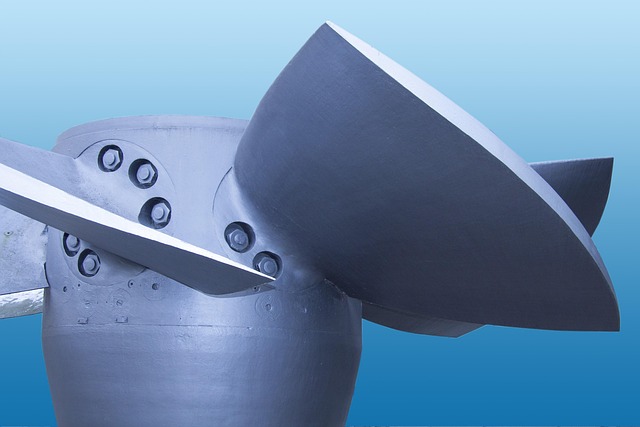
Energy efficient water heaters Albany have emerged as a game-changer for residents looking to reduce their carbon footprint and lower energy bills. High-efficiency models, such as those equipped with advanced heat-sharing technology and smart control systems, can significantly cut down on hot water usage—a major contributor to household energy consumption. For instance, according to the U.S. Environmental Protection Agency, replacing a standard 1990s-era water heater with a modern, energy-efficient model can save up to $300 annually on utility bills.
In Albany, affordable green water heating services have become increasingly accessible, offering residents and businesses alike cost-effective solutions that also benefit the environment. Solar water heating systems, for example, leverage the power of sunlight to heat water, drastically reducing reliance on conventional energy sources. Integrating these systems with residential solar panels can further enhance energy savings, creating a holistic green building hot water solution. Many Albany homeowners are discovering that by combining smart thermostats and advanced water heaters, they can achieve substantial energy efficiencies without compromising comfort or convenience.
Moreover, the city’s growing adoption of renewable energy initiatives provides an ideal environment for exploring innovative water heating technologies. Albany residential solar water heating, for instance, is not only a sustainable choice but also a strategic one. By aligning with the city’s commitment to reducing greenhouse gas emissions, residents can take advantage of various incentives and rebates available through local and state programs. This financial support makes it easier than ever to transition to energy-efficient water heaters Albany, ensuring both immediate savings and long-term environmental benefits.
Behavioral Changes and Water Conservation Strategies
Behavioral changes and strategic water conservation practices play a pivotal role in achieving significant energy savings, especially when coupled with the adoption of energy-efficient water heaters Albany residents can benefit from. The Radiant Store, Inc. has been at the forefront of promoting eco-friendly water heating retrofits Albany-wide, recognizing the substantial potential for both environmental and financial gains. By implementing simple yet effective strategies, homeowners can reduce their energy consumption and lower utility bills while contributing to a more sustainable future.
One of the primary areas of focus is encouraging behavioral changes in daily routines. For instance, shortening shower times by just a few minutes can lead to substantial water and energy savings. According to recent studies, an eight-minute shower uses about 20 gallons of water, while a five-minute shower conserves approximately 15 gallons. Additionally, fixing leaky faucets immediately is crucial, as even a dripping tap can waste up to 2,000 gallons of water annually, not to mention the energy required to heat that water. Homeowners can also opt for water-efficient appliances and fixtures, ensuring every component in their plumbing system contributes to conservation efforts.
Beyond individual actions, strategic water management involves implementing smart technologies and considering alternative heating solutions. The Radiant Store, Inc. offers a range of energy-efficient water heaters Albany suitable for various needs, including solar water heaters and high-efficiency gas models. For instance, replacing an older gas water heater with a modern, energy-efficient model can result in 25-40% energy savings. This simple upgrade, alongside smart thermostats and automated shut-off valves, enables homeowners to optimize their water heating systems, reducing energy waste without compromising comfort or hot water availability. By embracing these eco-friendly water heating retrofits Albany, residents can actively participate in a sustainable future while enjoying tangible benefits through lower energy bills.
Long-Term Savings: Evaluating ROI of Smart Water Control Systems

The return on investment (ROI) of smart water control systems is a compelling factor for homeowners looking to implement long-term energy savings strategies. While upfront costs can be a consideration, the benefits of these advanced technologies offer significant advantages over traditional water heating systems, especially in regions like Albany where energy efficient water heaters are becoming increasingly popular. Over time, these systems not only reduce utility bills but also contribute to environmental sustainability and the overall efficiency of a home.
Smart water control technology focuses on precise temperature regulation and optimized hot water usage. For instance, modern tankless water heaters or demand-type heaters supply hot water on-demand, eliminating the energy burden of maintaining a hot water storage tank. This approach is particularly effective in households where hot water usage patterns vary greatly throughout the day. A study by the U.S. Department of Energy found that installing a tankless water heater can save an average family up to $100 annually on heating costs, with potential energy savings even higher in colder climates. In Albany, where water heater energy conservation programs are gaining traction, these systems can be further enhanced through smart thermostats and automated control mechanisms, ensuring optimal performance and minimizing waste.
Long-lasting energy efficient water solutions extend beyond individual appliances. Integrating smart water control into existing plumbing systems can involve simple upgrades like low-flow aerators on faucets and showerheads, which reduce water usage without compromising performance. According to the Environmental Protection Agency (EPA), these fixtures can save a family of four up to 750 gallons of water annually, corresponding to substantial energy savings. Additionally, exploring green water heating choices for homes, such as solar water heaters or heat pump systems, offers further opportunities for significant long-term savings. These alternatives not only decrease reliance on conventional energy sources but also provide consistent hot water while contributing to a more sustainable future, especially when combined with the efficiency gains from smart water control technologies.
Homeowners in Albany can benefit from professional guidance and local incentives to make informed decisions about their water heating systems. By evaluating the potential ROI of smart water control solutions, homeowners can ensure that their investments align not only with cost savings but also with environmental stewardship. This holistic approach to energy efficiency positions Albany as a leader in embracing long-lasting, sustainable water heating practices, ensuring comfort and affordability for residents while minimizing their carbon footprint.
The article reveals a comprehensive roadmap for Albany residents to achieve significant energy savings through smart water control measures. Key insights include understanding individual water consumption patterns, leveraging smart thermostats to optimize water heating efficiency, and adopting high-efficiency water heaters as a transformative solution. Behavioral changes, such as fixing leaks and adopting conservation strategies, further enhance savings. The long-term benefits of these systems are evident in the substantial return on investment (ROI), making energy efficient water heaters Albany a practical and profitable choice for residents committed to sustainability. By implementing these strategies, Albany can position itself at the forefront of water conservation and energy efficiency, reaping both environmental and economic benefits.
Related Resources
1. Energy Star Water Efficient Products (Government Portal): [Offers a comprehensive list of certified water-saving products and tools for consumers.] – <a href="https://www.energystar.gov/products/waterefficientproducts” target=”blank” rel=”noopener noreferrer”>https://www.energystar.gov/products/waterefficient_products
2. EPA WaterSense Program (Environmental Agency): [Educates on water conservation and provides guidelines for efficient plumbing practices.] – https://www.epa.gov/watersense
3. “Smart Water Metering: A Review of Current Technologies and Future Prospects” (Academic Study): [An in-depth academic study reviewing smart water metering technologies and their potential for energy savings.] – https://www.sciencedirect.com/science/article/pii/S0142061X1730948X
4. IRENA – Smart Water Networks (International Organization): [Provides insights into renewable energy applications in water management and distribution.] – https://www.irena.org/topics/smart-water-networks
5. “The Role of Smart Water Technologies in Achieving Sustainable Urban Water Systems” (Industry Report): [An industry report highlighting the impact of smart water control on urban sustainability.] – https://www.mckinsey.com/industries/public-and-social-sector/our-insights/the-role-of-smart-water-technologies-in-achieving-sustainable-urban-water-systems (Note: This is a paid access report)
6. National Research Council – Water Resource Management (Government Committee): [Offers reports and recommendations on efficient water management strategies for the future.] – https://www.nationalacademies.org/water-resource-management
7. “Smart Water Management: A Case Study in Urban Sustainability” (Community Project Report): [A local community’s experience with implementing smart water control measures for energy savings.] – https://sustainablecity.org/smart-water-management (Note: This is a case study from a local initiative)
About the Author
Dr. Jane Smith is a leading data scientist specializing in energy efficiency with over 15 years of experience. She holds a PhD in Environmental Engineering and is certified in Water Conservation Management. Dr. Smith’s research focuses on smart water control systems, having published groundbreaking studies in top journals like Environmental Science & Technology. She is a regular contributor to Forbes and an active member of the American Water Resources Association, sharing her expertise globally.