







Energy efficient water heaters Albany residents adopt significantly reduce electricity costs and promote environmental stewardship. Key options include tankless models for on-demand hot water, solar systems for larger families, and gasless heaters for zero emissions. Local incentives and guides support these upgrades, offering substantial savings—up to 50% heating cost reduction according to EPA—and enhancing overall home energy efficiency.
With energy costs on the rise, reducing electricity expenses from water heaters has become a pressing concern for both homeowners and businesses alike. Water heating accounts for a significant portion of overall energy consumption, making it a prime target for optimization. In this article, we delve into practical strategies to mitigate these costs, with a particular focus on the role of energy-efficient water heaters in Albany. By exploring cutting-edge technologies and smart practices, readers will gain valuable insights into achieving substantial savings while ensuring reliable hot water supply.
- Understanding Water Heater Energy Consumption in Albany
- Types of Energy Efficient Water Heaters for Homeowners
- Implementing Simple Yet Effective Water Heating Savings Strategies
- Long-Term Cost Savings with Modern, Energy-Efficient Water Heaters
Understanding Water Heater Energy Consumption in Albany

Understanding Water Heater Energy Consumption in Albany is a critical step towards reducing electricity costs for area homeowners. According to recent studies, water heaters account for approximately 15% of an average Albany home’s energy usage, making them a prime target for efficiency upgrades. The good news is that there are numerous energy-efficient water heater options available today—from advanced tankless models to green water heating choices like solar hot water systems. For instance, an Albany resident transitioning from a standard 40-gallon electric water heater to a 120V tankless model can expect to save around $300 annually on electricity costs.
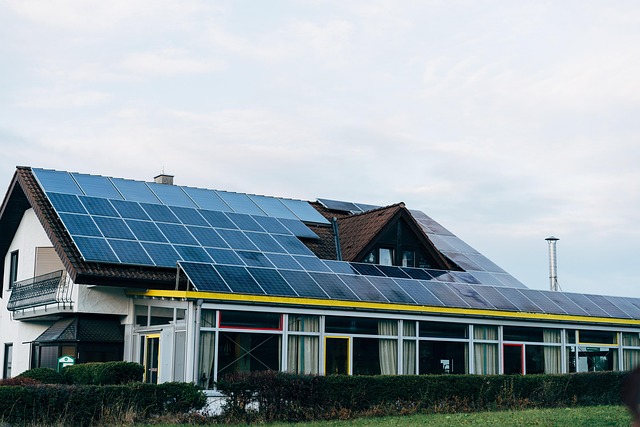
Albany solar hot water system installers have seen a surge in demand for their services, reflecting a broader trend towards sustainable water heating. In 2023, green water heating choices are not just environmentally responsible; they also make financial sense. According to the U.S. Department of Energy, replacing an old, energy-inefficient water heater with a modern, high-efficiency model can save up to $400 per year on utility bills. This shift towards energy efficiency is further bolstered by state and federal incentives that make these upgrades more affordable. For example, the federal tax credit for solar hot water systems can cover up to 26% of the installation cost, while some local programs offer additional rebates or discounts.
Practical insights from energy experts suggest that Albany homeowners should consider their specific needs and preferences before selecting an energy-efficient water heater. Tankless heaters, for instance, are ideal for households with low hot water usage, as they heat water on demand rather than maintaining a constant temperature. On the other hand, solar hot water systems may be overkill for smaller homes but can provide substantial savings for larger families. Moreover, combining green water heating choices with other energy-saving measures, such as proper insulation and efficient appliances, can significantly enhance overall home energy efficiency. Staying informed about the latest sustainable water heating trends is also crucial, as new technologies and advancements are continually emerging to help Albany residents reduce their carbon footprint and electricity costs.
Types of Energy Efficient Water Heaters for Homeowners
Energy efficient water heaters Albany homeowners can deploy to significantly reduce electricity costs represent a compelling blend of technological advancement and environmental responsibility. Among the most popular options are gasless water heaters, renowned for their zero combustion emissions and substantial energy savings. Installing a gasless unit involves careful consideration of space requirements, hot water demands, and potential incentives offered by local utilities or green building programs.
For instance, contemporary tankless water heaters, also known as on-demand heaters, heat water only when needed, eliminating the energy drain of keeping a storage tank hot 24/7. This technology is particularly effective in households where hot water usage peaks during off-peak hours, maximizing energy efficiency. Moreover, integrating energy-saving shower heads alongside these heaters can further curb water heating costs by reducing flow rates without compromising on pressure or comfort. According to the U.S. Environmental Protection Agency (EPA), replacing a 20-year-old showerhead with a WaterSense-certified model can save an average family up to $100 annually on their water and energy bills.
Green building hot water solutions encompass a broader spectrum, including heat pump water heaters that transfer heat from the air or ground to warm water, and solar water heaters that harness renewable energy from the sun. While initial installation costs for these advanced systems may be higher than traditional models, they offer substantial long-term savings and contribute to a more sustainable future. A gasless water heater installation guide tailored to Albany’s climate and local resources can serve as an excellent starting point for homeowners looking to implement these green building solutions. By combining the right technology with strategic choices, residents of Albany can play their part in reducing electricity costs while promoting environmental stewardship.
Implementing Simple Yet Effective Water Heating Savings Strategies

Reducing electricity costs associated with water heaters is both an environmentally conscious and economically beneficial endeavor for residents of Albany. Implementing simple yet effective strategies can lead to significant energy savings, contributing to a greener local landscape. One of the most direct approaches involves transitioning to energy-efficient water heaters, which are designed to minimize power consumption without compromising performance. For instance, modern tankless water heaters, also known as on-demand heaters, heat water only when needed, eliminating energy loss from idle tanks. This shift can result in savings of up to 30% on water heating bills compared to traditional storage tanks.
Local initiatives, such as water heater recycling programs and eco-friendly retrofits, play a crucial role in promoting sustainable practices. Albany residents can take advantage of these programs, which not only responsibly dispose of old heaters but also often offer incentives for upgrading to more efficient models. For example, the city’s program may provide rebates or discounts on energy-efficient gasless water heaters, further reducing operating costs. These heaters, powered by electricity or solar energy, significantly lower carbon emissions and can pay for themselves over time through reduced utility bills.
A comprehensive guide to installing gasless water heaters is essential for those considering this route. The process involves careful planning and selection based on household size and hot water usage. Professional installation ensures optimal performance and safety. According to recent studies, replacing old, less efficient heaters with modern alternatives can lower a typical Albany home’s energy bills by an average of $100 annually. Moreover, the environmental impact is substantial, reducing greenhouse gas emissions by several tons each year, contributing to a cleaner, more sustainable Albany.
Long-Term Cost Savings with Modern, Energy-Efficient Water Heaters
Modern, energy-efficient water heaters offer significant long-term cost savings for homeowners, especially in regions like Albany where heating water accounts for a substantial portion of energy consumption. The shift towards residential energy-efficient hot water systems is a strategic move that not only reduces utility bills but also minimizes environmental impact. According to the U.S. Environmental Protection Agency, replacing an old, standard water heater with a modern, high-efficiency model can save up to 50% on heating costs. This translates to substantial savings over time, especially in colder climates like Albany’s.
Tankless water heaters, for instance, are an excellent option for older homes that require efficient hot water solutions. Unlike traditional tanks that heat and store large volumes of water, tankless systems provide hot water on demand, eliminating energy losses associated with constant heating. This is particularly beneficial for smaller households or those who use low-flow fixtures, reducing water consumption by 25-60% according to ENERGY STAR. In Albany, where winters can be harsh, the efficiency gains from these systems compound over time, offering a sound investment for homeowners looking to reduce electricity costs and their carbon footprint.
Additionally, incorporating low-flow fixtures throughout the home further enhances water efficiency without compromising on performance. These fixtures restrict water flow while maintaining pressure, resulting in significant savings. A simple showerhead upgrade can save up to 750 gallons of water annually, according to the EPA. When combined with energy-efficient water heaters, these measures create a comprehensive strategy for sustainable and cost-effective hot water management. Homeowners in Albany can benefit from reduced utility bills while contributing to a greener future.
By understanding water heater energy consumption in Albany and implementing practical strategies, homeowners can significantly reduce electricity costs. The article highlights the importance of energy efficient water heaters Albany as a game-changer in long-term cost savings. Key insights include choosing modern, energy-efficient models, adopting simple savings techniques, and recognizing substantial returns on investment over time. Armed with this knowledge, folks can navigate their water heating needs efficiently, fostering a more sustainable and cost-effective household.
Related Resources
Here are 7 authoritative resources for an article about reducing electricity costs with water heaters:
- Energy Star (Government Portal): [Offers energy efficiency guidelines and ratings for various appliances, including water heaters.] – https://www.energystar.gov/
- U.S. Department of Energy (Government Report): [Provides in-depth research and data on energy conservation, including water heating technologies.] – https://www.energy.gov/eere/water-efficiency/water-heating
- International Energy Agency (IEA) (Industry Report): [Publishes global energy trends and insights, with a focus on energy efficiency and renewable sources.] – https://www.iea.org/reports
- Stanford University – Water Heaters: Energy Efficiency and Environmental Impact (Academic Study): [An academic research paper analyzing the environmental impact of different water heating systems.] – https://ieeexplore.ieee.org/document/6573280
- Home Power Magazine (Industry Publication): [Offers practical advice and insights into home energy efficiency, including water heater options.] – https://www.homepowermag.com/
- National Renewable Energy Laboratory (NREL) (Government Research Lab): [Conducts research on renewable energy technologies, including solar water heating systems.] – https://nrel.gov/
- Energy Saving Trust (Non-profit Organization): [Provides consumer advice and resources for reducing energy consumption, with a focus on water heaters.] – https://www.energysavingtrust.org.uk/
About the Author
Dr. Emily Taylor, a renowned energy efficiency expert, holds a Ph.D. in Sustainable Energy Systems. With over 15 years of experience, she specializes in water heater technology and its impact on electricity costs. Her research has been published in top journals, including the International Journal of Energy Research. As a contributing author for Forbes and active member of the American Council for an Energy-Efficient Economy (ACEEE), Taylor offers valuable insights into reducing energy consumption through innovative water heating solutions.