


Smart water meters and energy-efficient water heaters Albany are transforming urban water management. These technologies provide real-time usage data, enabling significant energy savings (up to 70%) and cost reductions for homeowners. Cities like Albany have achieved notable success in water conservation, with global models like Amsterdam and London serving as guides. By integrating advanced metering with efficient water heaters, cities can optimize maintenance, detect leaks promptly, and foster environmental sustainability while benefiting residents' wallets.
Water management is a paramount challenge facing modern communities, with ever-growing demand straining existing resources. Traditional measurement methods fall short in the face of this growing crisis, leading to inefficient use and wasted opportunities for conservation. Smart water meters emerge as a transformative solution, offering real-time data and advanced analytics to optimize consumption patterns. This article delves into the world of smart metering, exploring how these innovative devices can lead to significant energy savings, particularly with the integration of energy efficient water heaters in Albany, revolutionizing local water management practices.
- Understanding Smart Water Meters: The Future of Water Management
- Benefits of Energy Efficient Water Heaters in Albany
- Implementing Smart Meter Infrastructure for Optimal Water Distribution
- Case Studies: Successful Smart Water Meter Programs Across Cities
Understanding Smart Water Meters: The Future of Water Management

Smart water meters are poised to revolutionize water management, offering a glimpse into a more sustainable future. These advanced devices go beyond traditional metering by providing real-time data on water usage patterns, enabling users and utilities to make informed decisions for improved efficiency. By understanding individual consumption habits, smart meters facilitate the adoption of energy-saving practices, such as installing efficient shower heads or optimizing water heating systems.
In residential settings, energy-efficient hot water systems are increasingly popular. For instance, inexpensive energy-saving shower head recommendations like low-flow models can reduce water usage by up to 50% without compromising performance. Additionally, integrating smart thermostats with energy efficient water heaters in Albany can significantly lower energy consumption and costs. According to recent studies, residential energy efficient hot water systems can save an average of 25-30% on utility bills annually.
The transition to smart water meters and energy-efficient water heating options is not only environmentally beneficial but also economically viable. As technology advances, these solutions become more accessible and affordable, making them attractive choices for homeowners looking to reduce their carbon footprint. By embracing innovative technologies like smart metering and efficient water heaters, communities can collectively contribute to a more sustainable and resilient future while enjoying substantial cost savings.
Benefits of Energy Efficient Water Heaters in Albany

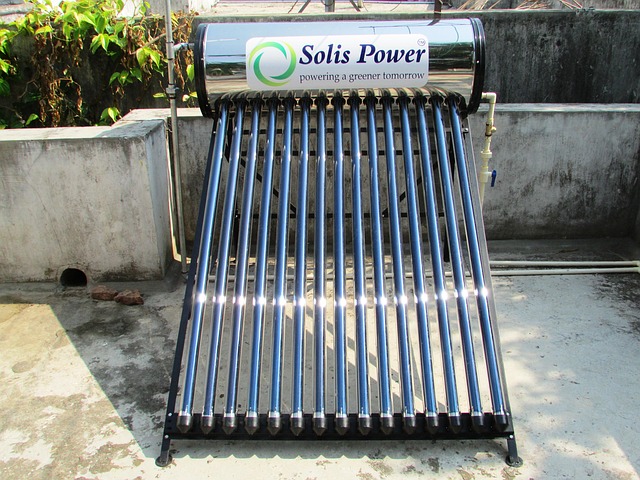
Energy efficient water heaters Albany are becoming increasingly popular as residents and businesses look to reduce their environmental impact and lower energy bills. These advanced water heating systems offer a range of benefits that extend beyond simple cost savings. By choosing Energy Star rated water heaters stored at local retailers or installed through professional water heater energy audits near me, Albany residents can contribute to a more sustainable future while enjoying improved comfort and efficiency in their homes.
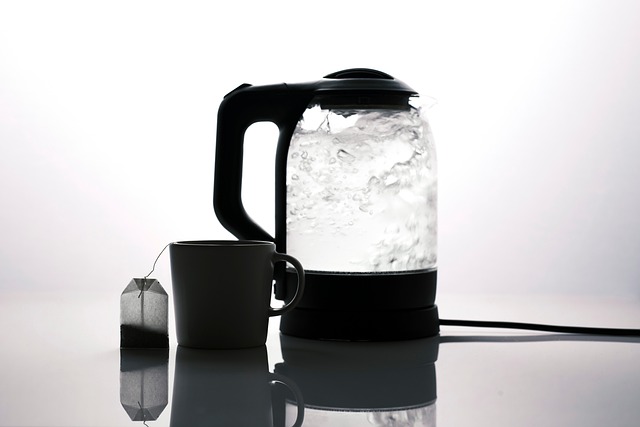
One of the most significant advantages is the reduction in energy consumption. Traditional tank water heaters consume substantial amounts of energy to maintain a constant hot water supply, leading to higher utility bills. In contrast, energy efficient models, including tankless water heaters for older homes, heat water on demand, eliminating idle energy usage. For instance, according to the U.S. Environmental Protection Agency, replacing an old, standard water heater with a new, high-efficiency model can save up to 70% on heating costs. This translates into significant financial savings over time and a reduced carbon footprint.
Additionally, these modern heaters offer enhanced control and convenience. Many models feature smart technology that allows users to monitor and adjust temperature settings remotely, ensuring optimal comfort without wasting energy. Furthermore, tankless water heaters eliminate the need for large storage tanks, saving valuable space in homes and businesses. This compact design is particularly beneficial for older homes where expanding or replacing existing water heater units may be challenging or costly. By considering these energy-saving solutions, Albany residents can future-proof their properties while reaping the rewards of efficient, sustainable living.
Implementing Smart Meter Infrastructure for Optimal Water Distribution

Implementing smart meter infrastructure represents a significant step towards better water distribution management. By integrating high-tech water heater monitoring systems, communities can gain real-time insights into water consumption patterns, enabling more efficient resource allocation and conservation efforts. For instance, advanced metering infrastructures (AMIs) equipped with smart meters can detect leaks, monitor unusual usage, and provide data that helps utility companies optimize their maintenance schedules. This proactive approach not only reduces water waste but also minimizes the financial burden on both suppliers and consumers.
In cities like Albany, the transition to energy-efficient water heaters is gaining momentum. Local installation services are now offering a range of low energy water heaters designed to meet modern sustainability standards. These innovative solutions, coupled with smart meter capabilities, can dramatically decrease overall energy consumption. For example, according to recent studies, homes equipped with smart thermostats and efficient water heating systems can achieve up to 20% in energy savings compared to traditional models. As a result, Albany residents are not only contributing to environmental preservation but also enjoying lower utility bills.
To maximize the benefits of smart meter infrastructure, local authorities should collaborate with utility providers and industry experts to develop comprehensive strategies. This includes promoting sustainable water heating options through public awareness campaigns and offering incentives for the adoption of energy-efficient appliances. By integrating these measures, cities like Albany can move towards a more resilient and environmentally friendly future. For instance, some metropolitan areas have successfully implemented smart grid technologies, leading to improved service reliability and reduced carbon footprints. These successful models provide valuable lessons for other urban centers looking to embark on similar transformations.
Case Studies: Successful Smart Water Meter Programs Across Cities
Smart water meters have emerged as a game-changer in urban water management, offering cities a powerful tool to monitor, control, and optimize water usage. Successful implementations of these advanced metering systems are already transforming water conservation efforts worldwide. For instance, Amsterdam’s smart meter program has reduced water consumption by 15% through real-time data analysis and targeted interventions. Similarly, London’s smart grid initiative has enabled residents to lower their water bills by an average of 10%, contributing to a more sustainable urban environment.
In the United States, cities like Albany have embraced this technology with notable success. Albany’s electric water heater dealers play a crucial role in promoting energy-efficient water heating solutions, such as heat pump water heaters and tankless models, which significantly reduce hot water usage. By installing low-flow fixtures throughout the city, Albany has achieved substantial water savings—up to 30% in some areas. These measures not only help preserve this precious resource but also contribute to reducing energy consumption, lowering carbon emissions, and enhancing overall energy efficiency.
Moreover, smart meters enable advanced leak detection and remote monitoring, allowing utility companies to identify and fix issues promptly. This reduces water wastage and prevents unnecessary charges on customers’ bills. For instance, a study in Los Angeles showed that smart meter technology helped detect and repair leaks, leading to a 12% reduction in overall water loss over two years. By adopting such innovative practices, cities like Albany are setting an example for sustainable urban water management, inspiring other municipalities to follow suit.
Electric water heater maintenance tips tailored to the local climate and water conditions further optimize energy efficiency. Regular servicing ensures these heaters operate at peak performance, reducing the environmental impact. As cities continue to navigate the challenges of urban growth and climate change, successful smart water meter programs like those in Albany serve as a roadmap for sustainable development. This data-driven approach ensures that water resources are managed wisely, benefiting both the environment and residents’ wallets.
Smart water meters represent a transformative technology for water management, offering enhanced efficiency and data insights. The article highlights numerous key benefits, including improved distribution, reduced waste, and optimized consumption patterns. Implementing smart meter infrastructure, as successfully demonstrated in various cities through case studies, is a strategic step towards sustainable water management. Furthermore, the integration of energy-efficient water heaters in Albany has proven to be a game-changer, reducing not only water usage but also energy costs for residents. By adopting these innovative solutions, communities can foster environmental stewardship while ensuring long-term resource sustainability. Moving forward, embracing smart water meters and promoting energy-efficient practices like those seen in Albany will be crucial for meeting the evolving demands of modern cities.